With new cases of Covid-19 popping up here and there, short, sharp lock downs will more than likely come and go in the coming weeks - to months. But what can be confusing is what is essential and non essential when it comes to services. What will and will not be open? Can I still get my doggie groomed? Who is doing takeaway? Is the dry-cleaner operational? Should I stick to my fitness routine or do I need to rethink this as well?
So here’s a nuts and bolts breakdown of what is usually forced to close during a lockdown, and what will likely stay open. Note that restrictions may differ from state to state. And always check the relevant government websites for the most up-to-date information.
Essential services: these generally remain open
• Supermarkets
• Convenience stores
• Butchers
• Grocers
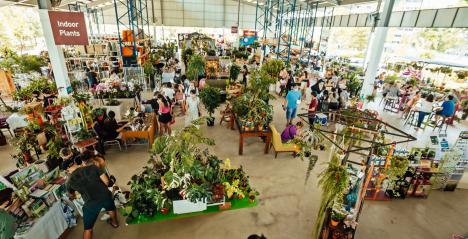
• Markets
• Bottle shops
• Petrol stations
• Pharmacies
• Health services (GPs, physiotherapists, psychologists, psychiatrists, medical specialists)
• All allied health centres
• Shopping centres (eateries in food courts permitted to do takeaway only)
• Schools remain open for “essential workers”
• Retail, broadly, seems to be exempt from mandated closures
• Health services (GPs, physiotherapists, psychologists, psychiatrists, medical specialists)
Non-essential services: these are generally the first to close and the last to reopen
• Restaurants, bars, pubs, cafes (but takeaway and home delivery are permitted)
• Gyms, public swimming pools, indoor sporting venues (allied-health services conducted on these premises, such as physiotherapy, are permitted)
• Cinemas
• Nightclubs
• Places of worship
• Arcades
• Galleries and museums
• Play centres
• Beauty, nail, waxing and tanning salons
• Tattoo parlours
• Outdoor gyms, playgrounds and skate parks
• Hairdressers and barbers
Gatherings: these are usually subject to limits or not permitted at all
• Weddings
• Funerals
• Dinner parties and house parties
• Real-estate auctions and open-house inspections
• Outdoor exercise groups and boot camps
Essential workers
There is no official definition of who is considered an “essential worker”, so employees are encouraged to discuss this with their employers and to check the relevant state government websites. Here is a (non-exhaustive) list of occupations that are generally considered essential.
• Doctors
• Nurses
• Pharmacists
• Delivery drivers
• Supermarket employees
• Grocers/butchers/fishmongers
• Postal delivery
• Freight service workers
• Teachers
• Physiotherapists
• Allied health professionals
• Caregivers
• Social workers
• Garbage collectors
• Petrol station employees
• Some cleaners
• Hospitality workers (for takeaway)
• Paramedics
• Some retail workers
• Vets
• Court employees
• Public transport workers
• Emergency services employees
• Firefighters
• Police officers
If you’re concerned about travel or visiting public spaces, or have questions about self-isolation and coronavirus testing, check out the latest from australia.gov.au.
Physical distancing in public means keeping 1.5 metres away from others where possible, avoiding physical greetings such as handshaking, hugs and kisses. Extra care should be taken on public transport.
For more local information, see these sites:
QLD
Queensland Health.
Vic
Department of Health and Human Services.
NSW
NSW Government.
SA
SA Health.
WA
wa.gov.au.