


















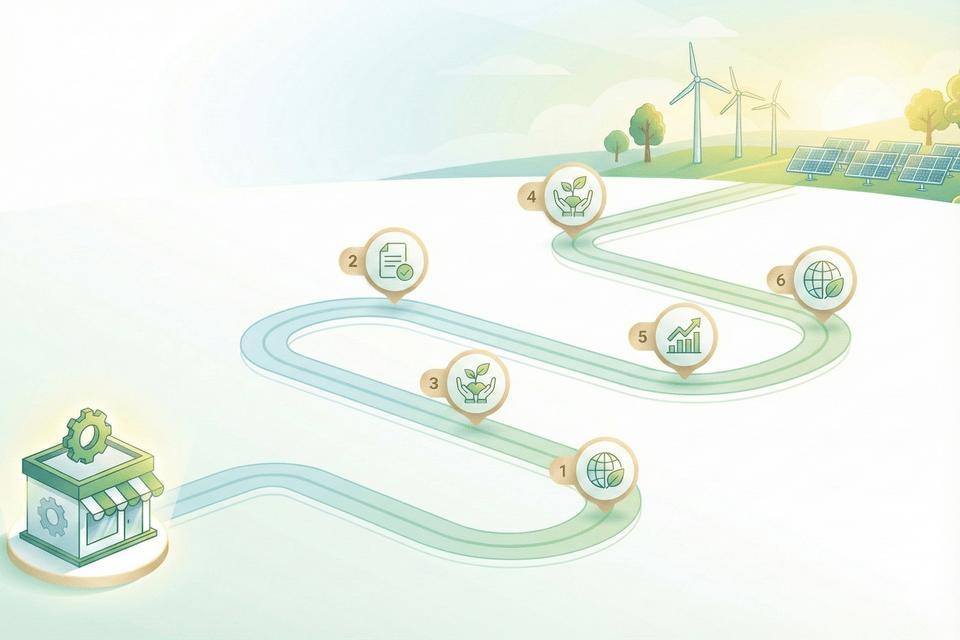
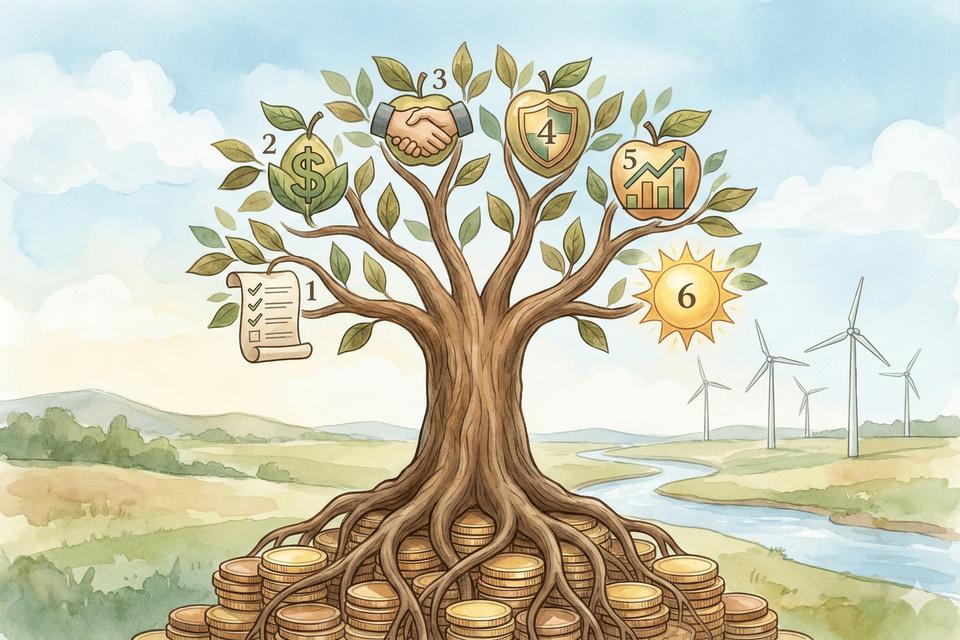
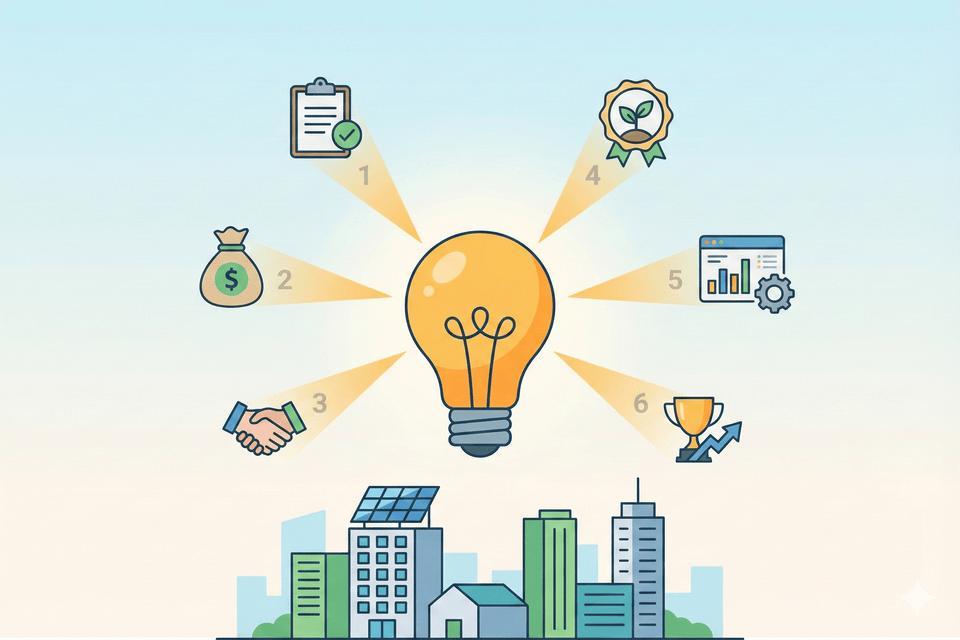
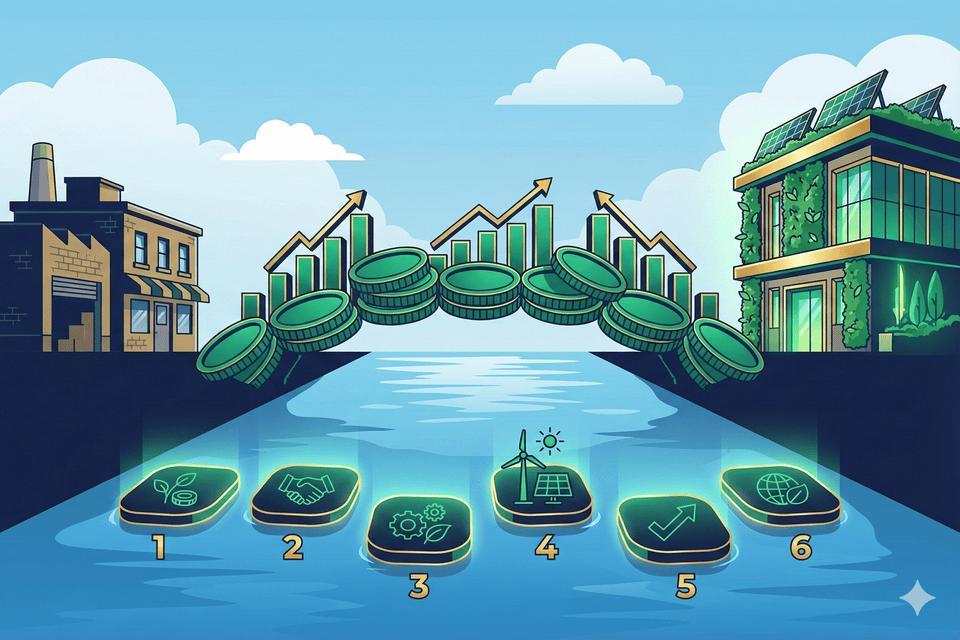
Green financing is becoming an increasingly important avenue for businesses looking to grow sustainably. Around the world, governments and financial institutions alike are introducing programs to make it easier for companies to invest in eco-friendly initiatives. Many sustainable finance Singapore initiatives, for example, provide targeted support that help businesses access funding and adopt green solutions. Meanwhile, similar schemes in other countries show that well-designed support can make sustainability more achievable for companies of all sizes.
Yet for many businesses, particularly small- and medium-sized enterprises (SMEs), the idea of securing green financing can still feel like quite the challenge. High upfront costs, eligibility requirements, and the technical knowledge required may seem like barriers. However, with careful planning and the right partnerships, green financing can become a practical and attainable part of your growth strategy. If you’re planning to obtain green financing for your business, here are some practical ways to make the process more straightforward:
1. Explore Government Programmes as a Starting Point
One of the best ways to make green financing less overwhelming is to start with government-backed programs. Many governments provide grants, subsidies, and loan schemes to help businesses transition to sustainable practices. These initiatives lower upfront costs and reduce financial risks, giving companies a clearer entry point into the green financing space.
For example, among the well-known green initiatives in Singapore is the Enterprise Financing Scheme–Green (EFS-Green), which encourages banks to lend to green projects by sharing the risk with the government. Through this scheme, businesses can apply for different types of loans depending on their sustainability needs. This helps local businesses adopt greener solutions more easily, reducing friction in the financing process while also giving lenders greater assurance.
2. Start with Smaller, High-Impact Projects
Green financing doesn’t always mean committing to large, resource-heavy projects from the start. Your business can still benefit by focusing on smaller, targeted initiatives that deliver measurable results. Simple changes like upgrading to energy-efficient lighting or adopting digital systems to reduce paper use can create cost savings and environmental benefits without requiring significant upfront investment.
To find the best starting points, look at where your business spends the most on utilities or resources. A quick energy audit or even reviewing monthly bills can highlight opportunities with immediate impact, such as lowering electricity use or cutting waste. These small wins ease financial pressure and help build a track record of sustainable practices, which can later strengthen applications for larger projects.
3. Build a Strong Business Case
Even the most environmentally friendly project needs a clear business justification. Lenders want to see how an initiative will generate returns, whether through cost savings, improved efficiency, or greater competitiveness. Fortunately, you don't require intricate models to initiate your project. Simple data points, such as estimated reductions in utility bills or operating expenses, can already make your proposal easier to evaluate.
It’s also important to highlight the environmental impact. Quantifying reductions in carbon emissions or improvements in resource efficiency demonstrates alignment with regulatory goals. Free online calculators and government resources can help you measure such impacts without much effort. A strong business case that balances financial viability with sustainability outcomes greatly improves your chances of securing support.
4. Seek Expert Guidance and Partnerships
Green financing can be daunting, but you don't have to do it alone. Sustainability consultants and government-linked organisations can offer invaluable perspectives on eligibility requirements, reporting standards, and certification processes. Their guidance can help you avoid costly mistakes and ensure that your applications meet technical criteria.
Also worth exploring are partnerships with banks that actively support sustainability. Many financial institutions now recommend relevant green solutions and offer built-in programmes that businesses can adapt directly. For example, UOB provides a suite of sustainable financing solutions designed to help companies implement energy-efficient technologies, decarbonisation strategies, or circular economy initiatives. Complementing these, the UOB Sustainability Compass offers a first step for businesses to understand their sustainability readiness and uncover financing opportunities aligned with their goals. These partnerships not only simplify the financing process but also give companies access to curated resources, making it easier to align with recognised green standards.
5. Explore Alternative Financing Options
While traditional loans are the most common route for financing green projects, they’re not the only path available. Businesses can also consider alternatives such as leasing arrangements, green bonds, or crowdfunding platforms. For instance, some companies in Singapore choose to lease solar panels rather than purchase them outright, reducing the burden of upfront costs while still benefiting from energy savings.
Alternative financing can make green projects more accessible, particularly for SMEs that may not qualify yet for larger loans. Exploring these options ensures you’re not limited to conventional funding and helps you find a model that best suits your financial situation and growth stage.
6. Track and Communicate Your Progress
Securing financing is only the beginning. To build long-term credibility, businesses should consistently track both the financial and environmental results of their projects. Monitoring outcomes such as reduced energy consumption, lower operating expenses, or waste diverted provides tangible proof of success and keeps reporting straightforward when financiers ask for updates.
The key is to keep tracking manageable. Even simple tools like spreadsheets or energy monitoring apps can capture the essential data needed for a comprehensive report. By sharing your progress with lenders, customers, and stakeholders, you’ll be able to reinforce your reputation and open the door to additional opportunities for future financing.
Green financing may seem complex at first, but it doesn’t have to be a headache. Let the tips above guide you in turning what feels like a daunting process into an achievable opportunity. Make use of available resources, and your company can unlock the benefits of green financing and move toward a more sustainable and resilient future with greater confidence.