
















Talking about sexual health isn’t always easy. But it’s an important part of looking after yourself and the people you care about. Whether you’re in a long-term relationship or exploring something new, it helps to understand how to protect yourself from sexually transmitted infections (STIs). The good news is that prevention is possible.
With a few smart habits, regular STI tests, and open conversations, you can lower your risk and take charge of your sexual health. In this article, we’ll walk through practical steps you can take to stay safe and informed.
What are STIs and How Are They Transmitted?
STIs are passed from one person to another through sexual contact. This includes vaginal, anal, and oral sex. Common STIs include chlamydia, gonorrhoea, human papillomavirus (HPV), herpes, syphilis, and HIV.
STIs can spread even when no symptoms are present. Some are caused by bacteria, others by viruses or parasites, and they can affect anyone who is sexually active.
Transmission can occur through:
- Direct contact with infected bodily fluids such as semen, vaginal secretions, or blood
- Skin-to-skin contact with infected areas, especially in the case of herpes and HPV
- Shared intimate toys that are not cleaned properly between uses
Why Is STI Prevention Important?
STI prevention is important for protecting your long-term health and the wellbeing of your partners. Some infections, if left untreated, can lead to complications such as infertility, chronic pain, or a higher risk of other illnesses.
While many STIs can be treated and cured, some infections such as herpes and HIV are not curable. These infections can be managed with ongoing medical care but remain in the body for life.
What Steps Can You Take to Prevent STIs?
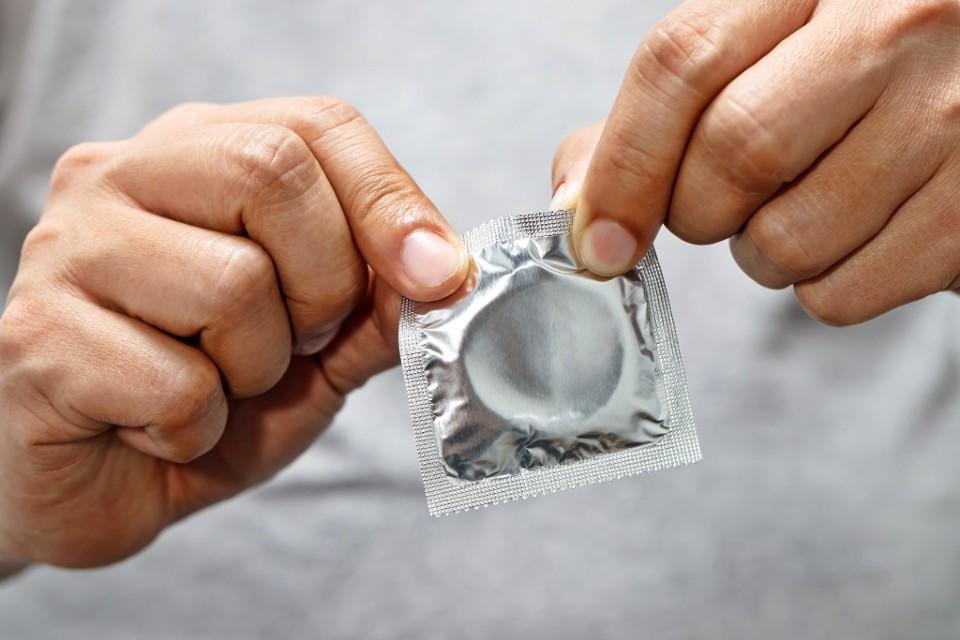
Taking care of your sexual health doesn’t have to be complicated. A few thoughtful choices can go a long way in helping you prevent STIs and feel more confident in your relationships. Here are some practical steps you can start with:
1. Use Condoms Consistently and Correctly
Condoms are widely regarded as a reliable method for reducing the risk of many STIs. They help prevent contact with infected bodily fluids and reduce skin-to-skin transmission.
- Use condoms or dental dams during vaginal, anal, and oral sex
- Check expiry dates and ensure there are no tears or damage before use
- Store them in a cool, dry place
2. Limit Your Number of Sexual Partners
Having multiple partners increases your chance of exposure to STIs. If you have more than one partner:
- Know each other’s STI status
- Have open and honest conversations about sexual health
- Consider getting tested together before becoming sexually active
3. Get Regular STI Screenings
STIs can often be present without symptoms. Regular screening is one of the most effective ways to detect infections early and prevent further spread.
- Aim for screening at least once a year, or more often if you have new or multiple partners
- Tests may include screening for HIV, syphilis, chlamydia, gonorrhoea, and hepatitis B or C
4. Avoid Sharing Intimate Toys or Clean Them Properly
Intimate toys can carry STIs if not cleaned or protected between uses.
- Wash toys with warm water and mild soap after each use
- Use condoms on toys if sharing with a partner
- Choose non-porous materials that are easier to clean thoroughly
5. Get Vaccinated Where Available
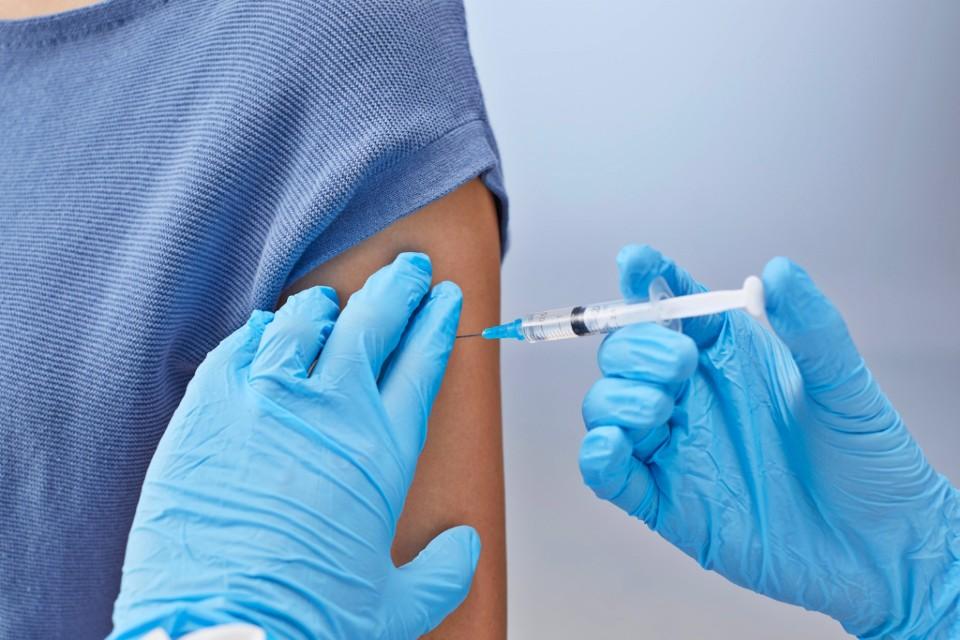
Vaccinations can help protect against certain viral STIs.
- The HPV vaccine helps prevent strains linked to genital warts and certain cancers
- The hepatitis B vaccine protects against the hepatitis B virus, which can cause long-term liver damage, liver cancer, and other serious complications
Speak with your doctor to check if your vaccinations are up to date.
6. Know the Signs and Act Promptly
Not all STIs show visible symptoms, but being aware of changes in your body is important.
- Look out for symptoms like unusual discharge, sores, rashes, or pain during urination
- Avoid sexual activity if you or your partner have any symptoms
- Seek medical advice early to reduce the risk of complications and prevent transmission
Why STI Awareness Matters for Everyone
Preventing STIs is not just something you do for yourself. It is also a way to care for your partners and support a healthier community.
When STIs are left undiagnosed or untreated, they can lead to serious health issues such as infertility, chronic pain, or a higher risk of other infections. The good news is that many of these outcomes can be avoided with early detection and the right care.
By staying informed, having open conversations, and making regular health checks part of your routine, you are taking positive steps towards a healthier future. It is never too late to take charge of your wellbeing and encourage others to do the same!