




















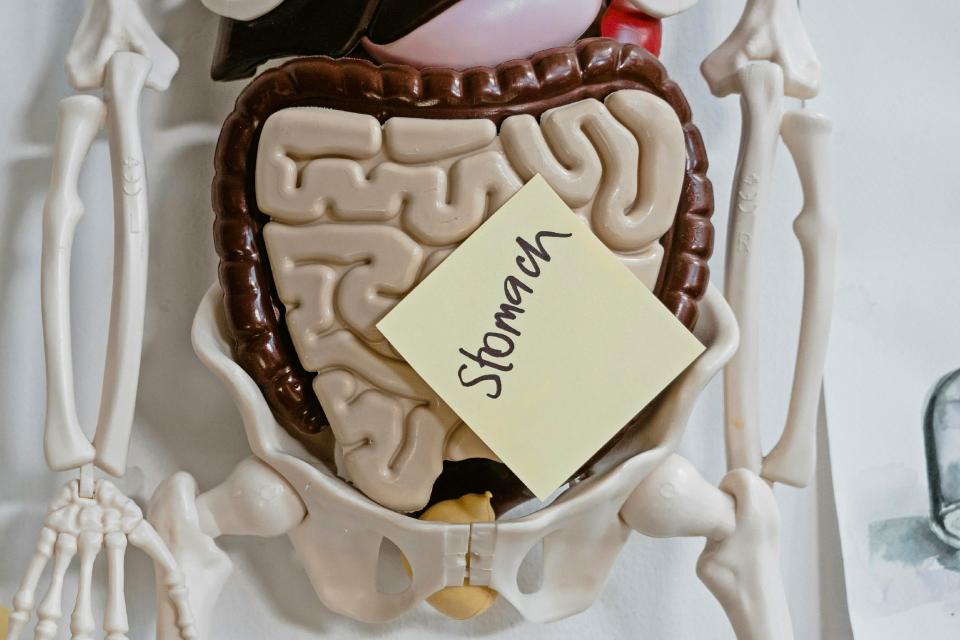
Gastric pain is a general term used to describe discomfort in the upper-middle abdomen. It can vary in intensity and sensation, from a mild ache to a burning feeling or a more noticeable cramp. Brief episodes of stomach discomfort are easy to dismiss, especially if they resolve on their own without much trouble. However, abdominal pain that keeps coming back can be harder to ignore and may suggest that something else is going on.
In this situation, identifying the condition responsible for the pain can make a real difference. Several conditions can lead to recurring gastric discomfort, and knowing the exact cause makes it easier to pursue the most appropriate treatment.
With that in mind, this article outlines medical conditions commonly linked to recurring gastric discomfort, which can give you useful context when you start asking, “What tests help diagnose ongoing gastric pain?”
Gastroesophageal Reflux Disease (GERD)
Acid reflux is a common digestive issue that’s often triggered by certain factors or actions, such as eating fatty or fried foods, lying down immediately after a meal, and taking certain medications. While occasional acid reflux may not always indicate a serious problem, it can become concerning if it happens frequently. This pattern may suggest that the issue has progressed to gastroesophageal reflux disease or GERD.
GERD occurs when stomach acid regularly flows back into the oesophagus. This happens when your lower oesophageal sphincter—the valve between the oesophagus and the stomach—weakens or relaxes enough to let acid pass. Without proper control of that backflow, GERD can cause irritation and discomfort in the upper abdomen. It may also cause a sour taste in the mouth, bloating, or a sensation of food moving back up the throat.
If not addressed, ongoing irritation of the oesophagus can lead to complications, like oesophagitis or ulceration. Therefore, proper diagnosis is crucial to prevent further damage and guide appropriate treatment. This typically involves a review of symptoms; for some cases, tests such as endoscopy or pH monitoring might be required.
Gastritis
A persistent, dull discomfort in the upper abdomen can sometimes be linked to inflammation of the stomach lining. Known as gastritis, this condition can develop when the protective layer of the stomach is weakened. This happens when the stomach’s natural protective barrier becomes disrupted, reducing its capability to shield itself from digestive juices. This causes stomach acid to irritate the lining more easily, causing pain or a burning sensation in the upper abdomen.
Several factors can contribute to this irritation, including infection with Helicobacter pylori, regular use of nonsteroidal anti-inflammatory drugs (NSAIDs), excessive alcohol intake, or prolonged stress. In some cases, gastritis may not cause noticeable symptoms at first, but the ongoing inflammation can lead to discomfort that becomes harder to ignore.
Early diagnosis can help reduce irritation and prevent further complications. Medical evaluation may involve tests to check for infection or inflammation, such as blood tests, stool tests, or an endoscopy.
Lactose Intolerance
Certain foods can trigger stomach discomfort. For instance, if you experience bloating or pain when consuming dairy products like milk, cheese, and butter, you may likely be dealing with lactose intolerance. This condition occurs when the digestive system isn’t able to break down lactose efficiently. Undigested lactose can move through the gut, triggering symptoms such as gassiness, bloating, and abdominal pain. The discomfort may feel similar to general gastric pain, which can make it easy to misinterpret.
A clearer link between symptoms and dairy intake can help with proper identification. Medical tests, such as a hydrogen breath test, may be used to confirm the condition. Once it is diagnosed, adjusting food choices or limiting lactose intake can reduce discomfort and help prevent repeated episodes.
Coeliac Disease
Coeliac disease is an autoimmune condition in which the small intestine is hypersensitive to gluten, a protein found in wheat, barley, and rye. In individuals with coeliac disease, consuming gluten causes the body’s immune system to respond in a way that damages the lining of the small intestine, affecting how nutrients are absorbed. This reaction may lead to a range of symptoms, including gastric pain.
The symptoms of coeliac disease can be difficult to recognise. Some people only experience mild discomfort or symptoms that overlap with other digestive conditions, which can make the cause less obvious. That’s why accurate diagnosis is important to ensure proper treatment and dietary changes. Doctors may recommend blood tests to check for specific antibodies, followed by an intestinal biopsy to confirm the condition.
Irritable Bowel Syndrome
Changes in bowel movements can sometimes come with gastric pain that keeps returning. Conditions like irritable bowel syndrome (IBS), for example, affect how the bowel functions and can trigger ongoing discomfort in the digestive system. Abdominal pain linked to IBS often comes with bloating, cramping, excess gas, or constipation.
A careful review of symptoms is often needed to identify IBS properly. Doctors may look at bowel patterns, ask about the frequency of pain, and use tests such as blood work or stool tests to rule out other conditions. Moreover, symptom control for IBS usually depends on long-term management. This may include changes in diet, stress reduction, and medicine to ease specific symptoms.
Gastric pain may seem like a simple symptom, but it can be linked to a range of underlying conditions that require different forms of care. Uncertainty around the cause can make the experience more worrying, which makes proper medical evaluations a sensible next step. With an accurate diagnosis, the path to appropriate treatment becomes clearer, allowing the issue to be managed with greater confidence.


